

What Is a Normal Sperm Count?
Sperm count numbers explained in the simplest way.
A semen analysis measures three things, and only three: how many sperm cells you’re producing, how well they swim, and whether they’re shaped to actually do the job. Everything on that report folds into one of those three buckets.
- Sperm Concentration: 16 million sperm per milliliter
- Total Sperm Count: 39 million or more per ejaculate
- Total Motility: At least 42% of sperm moving
- Progressive Motility: 30% or more swimming forward with direction
- Normal Morphology: At least 4% of sperm with a typical size and shape
- Semen Volume: 1.4 milliliters or more
A result that falls below the reference range in any one category doesn’t mean pregnancy is impossible. However, it does often indicate the timeline may be longer, or that additional support may help.
When Your Sperm Count Comes Back Low
A low sperm count, medically known as oligozoospermia, means fewer sperm showed up in the sample than expected. In rarer, more serious cases, sperm are nearly or entirely absent, a condition called azoospermia. But that’s the exception, not the rule, and most men who hear “low count” are dealing with something far more workable.
Some low sperm count causes are outside your control:
- Varicocele (enlarged veins in the scrotum)
- Hormonal imbalances, including low testosterone levels or thyroid disorders
- Infections affecting the reproductive tract
- Genetic health conditions, such as Klinefelter syndrome
- An undescended testicle from birth that was never fully corrected
- Certain medications or prior chemotherapy/radiation treatment
Others trace back to daily life, including cigarettes, heavy drinking, and carrying extra weight. None of it happened overnight, and none of it has to stay that way.
How to Increase Sperm Count Naturally
For men with mild to moderate low sperm count, several evidence-informed lifestyle changes may support healthier numbers over time. Consider:
- Maintaining a healthy weight
- Eating a diet rich in antioxidants, zinc, and folate
- Limiting alcohol and avoiding smoking or recreational drug use
- Managing stress levels
- Avoiding excess heat exposure to the testicles
- Getting consistent, quality sleep
- Exercising regularly, in moderation
When lifestyle changes alone don’t move the number, there are low sperm count treatment options available. These could include hormone therapy, minor surgical correction, and assisted reproduction like cryopreservation or in vitro fertilization (IVF).
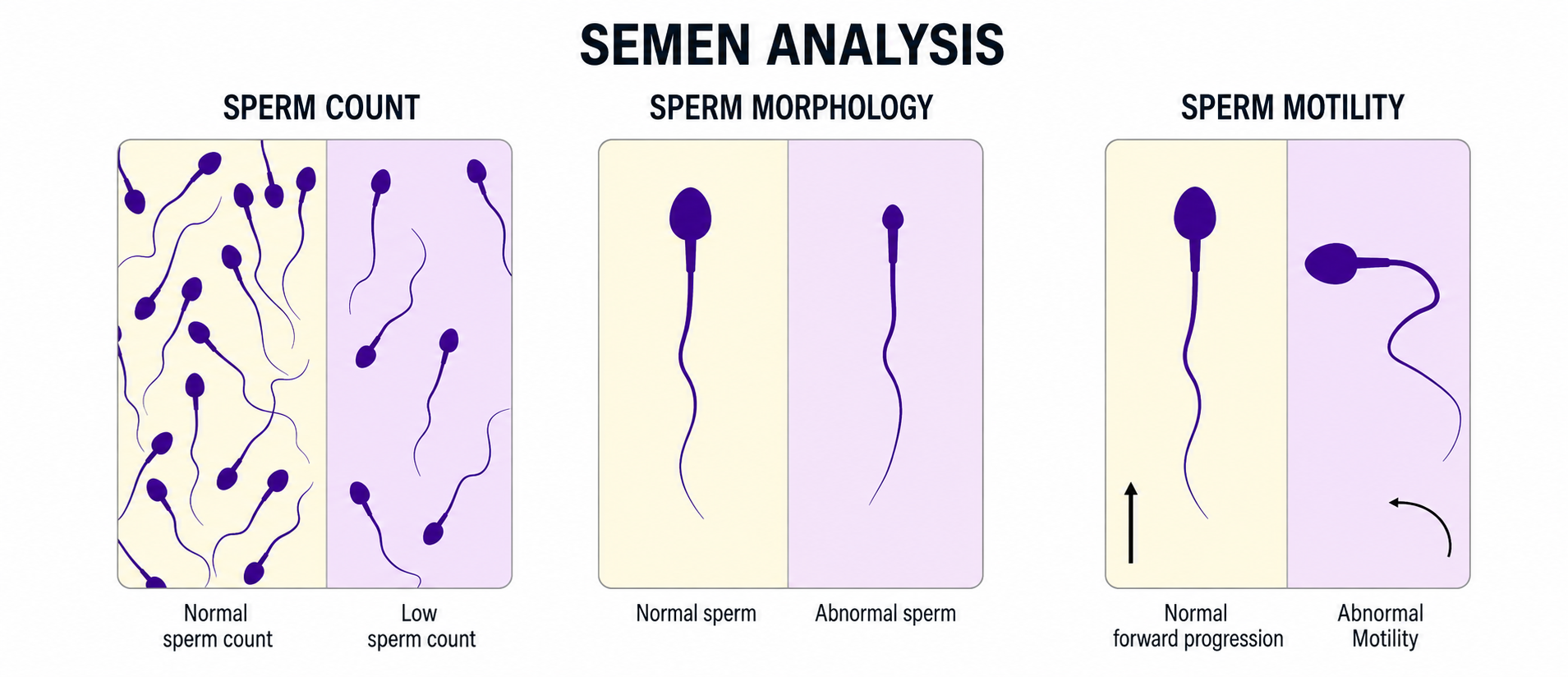
The Shape of the Problem: Sperm Morphology
Sperm morphology is the clinical term for how your sperm are physically built — the head, the midsection, the tail — and whether that structure is efficient enough to swim toward and fertilize an egg.
Abnormal sperm morphology can include:
- An oversized, undersized, or misshapen head
- A doubled, coiled, or crooked tail
- Defects in the midpiece that affect movement
What Does Abnormal Sperm Morphology Mean For a Couple Trying to Conceive?
It usually means a smaller percentage of sperm are built for the job. This can stretch out the timeline to conception, but rarely closes the door on it entirely. It’s also worth untangling a common mix-up: sperm morphology and motility normal range figures are two entirely separate scores. Plenty of men have strong movement and rough shape, or the reverse. They’re graded independently for a reason.
Can You Get Pregnant With Low Sperm Morphology?
This is one of the most common questions patients ask, and the honest answer is: often, yes. Morphology is one variable in a much larger equation, and countless pregnancies have happened with numbers well under the “normal” threshold. It’s a factor to manage, not a life sentence.
How to Improve Sperm Morphology
While there’s no guaranteed fix for abnormal shape, a lot of the recommendations overlap heavily with everything we’ve mentioned above.
- Reducing oxidative stress through diet and antioxidant intake
- Avoiding tobacco, marijuana, and excess alcohol
- Treating underlying conditions like varicocele, which can sometimes improve morphology after surgical correction
- Limiting exposure to environmental toxins and industrial chemicals
- Taking targeted supplements, such as L-carnitine, which supports the mitochondria’s ability to generate cellular energy and has been associated with improved sperm health in some studies
Sperm Motility
Count and shape mean little if the sperm can’t actually swim. Poor sperm motility describes sperm moving sluggishly, drifting without direction, or barely moving at all.
What causes slow sperm? Common contributors include smoking, heavy drinking, varicocele, infection, genetics, and prolonged heat exposure. A man can have an entirely respectable sperm count and still hit a wall here if too many of those sperm are weak swimmers.
Getting Them Moving Again
The path to how to improve sperm motility runs through the same daily habits as everything else — hydration, real food, a healthy weight, and staying away from prolonged heat. When something more targeted is called for, poor sperm motility treatment can include antioxidant support (L-carnitine, CoQ10, vitamin E), surgical repair of a varicocele, antibiotics if infection is the root cause, or hormone therapy where levels are off.
What Happens Next?
Whichever number came back flagged — count, shape, or movement — reproductive medicine has gotten remarkably good at working around it. The best part? ACRM has spent years helping patients navigate male infertility, and you won’t be figuring it out alone or getting handed a pamphlet and a shrug.
It starts with male fertility testing that gives you straightforward answers about your sperm. From there, our team builds a plan around both partners, because getting pregnant was never a one-person job to begin with. Whatever the path forward looks like for you, it’s one you and your partner walk through together, with a team that’s done this before.
Get Professional Male Infertility Help From ACRM
ACRM is a boutique fertility clinic specializing in the most advanced fertility treatments available, including male infertility diagnosis. Schedule an in-person consultation at our Homewood or Montgomery location or call us directly to build a plan that keeps you moving safely all summer long.