
If you’ve spent any time on fertility social media or scrolling through a wellness forum at 1 a.m., you’ve likely come across some wild advice. Eat the core of a pineapple. Drink a gallon of water a day. Take twelve different supplements before breakfast. It’s a lot, and most of it isn’t backed by real science.
The truth is this: there’s no single miracle food that guarantees a positive pregnancy test, and there’s no magic combination of ingredients that will override biology, age, or an underlying medical condition. But that doesn’t mean nutrition isn’t relevant. The key is knowing which advice is worth following and which is just noise.
Let’s Bust a Few Fertility Nutrition Myths
Myth: There’s a secret superfood that boosts fertility overnight.
Oysters, maca root, bee pollen, pineapple cores; none of these have solid research behind them as fertility boosters. A few small studies get stretched into big promises online, and supplement companies are happy to run with it.
Myth: Fertility nutrition is a “her” problem.
Male factors play a role in roughly 40 to 50% of infertility cases, either on their own or alongside a female factor. A major analysis published in Human Reproduction Update found that average sperm concentration worldwide dropped by more than 50% between 1973 and 2018, with the decline speeding up in recent years.
Diet quality affects sperm count, motility, and DNA integrity, and the good news is that sperm regenerate roughly every three months. That means dietary changes on the male side can show results relatively fast.
Myth: Low-fat is always the healthier choice.
When it comes to dairy specifically, research has actually pointed in the opposite direction. We’ll get into why below.
Myth: More supplements equal better odds.
A prenatal vitamin with folic acid is one of the few supplements with strong evidence behind it for anyone trying to conceive. Adequate folic acid intake before and during early pregnancy can prevent 50% or more of neural tube defects like spina bifida. That’s why it’s recommended to start before conception rather than after a positive test.
Myth: You have to follow one rigid fertility diet to the letter.
There isn’t one universal plan that works for everybody. Age, genetics, ovulation patterns, and underlying conditions like PCOS or endometriosis all factor in.
What a Fertility-Friendly Diet Should Look Like
Eating for fertility doesn’t look drastically different from eating for general health. Think whole foods, good fats, steady blood sugar, and variety. Here’s how that breaks down in practice.
Fill Your Plate With Color
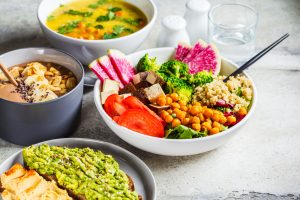
Fruits and vegetables should take up a generous portion of your meals, and not just for the vitamins. We tend to get a lot of our daily calories from refined carbs, fried foods, and red meat, and diets heavy in those categories have been linked to disruptions in ovulation.
Produce rich in antioxidants and folate, on the other hand, helps protect egg quality and supports a more stable hormonal environment. Some options worth building meals around include:
- Citrus fruits (for Vitamin C)
- Berries
- Leafy greens like kale and spinach
- Cruciferous vegetables like broccoli and asparagus
This isn’t about eating a sad bowl of steamed veggies three times a day. Roast them, toss them in olive oil, add them to a pasta dish, blend them into a smoothie. The goal is consistency, not deprivation.
Choose Fats That Work For You, Not Against You
Trans fats, the kind hiding in a lot of packaged and fried foods, have been tied to metabolic changes that interfere with ovulation. On the flip side, monounsaturated and omega-3 fats seem to support hormone production and reduce inflammation.
- Avocados
- Olive oil
- Peanut and canola oil
- Nuts
- Seeds
- Fatty fish like salmon
Research on Mediterranean-style eating patterns in particular has shown a potential connection to improved sperm concentration and sperm count, though scientists agree that more high-quality studies are still needed before anyone calls it a guaranteed fix. Either way, the fat swap alone, trading fried and processed foods for the whole-food versions, is one of the easier changes to make and one of the better-supported ones.
Rethink Your Carbs
Simple carbohydrates like white bread, white rice, and sugary baked goods cause quick spikes in blood pressure and insulin, and repeated spikes over time can throw off ovulation. Complex carbs — whole grains, beans, lentils, and starchy vegetables — digest more slowly and keep those levels steadier. Carbs aren’t the enemy here. Type and quality matter most.
Yes, Full-Fat Dairy Can Stay
This one surprises some people. A well-known Harvard study following more than 18,000 women over eight years found that those who ate two or more servings of low-fat dairy a day had close to double the risk of ovulatory infertility compared to those who rarely ate it. The women who had full-fat dairy at least once a day showed a lower risk instead.
Nobody is entirely sure why, though it may have to do with fat-soluble hormones and vitamins that get stripped out during processing. So if you’ve been avoiding whole milk yogurt or real cheese out of habit, this is your permission slip to bring it back into rotation, in moderation, like everything else.
Let’s Not Forget About the Men
Diets rich in antioxidants, zinc, omega-3s, and folate have been associated with healthier sperm count, motility, and DNA quality, while diets high in processed and fried foods tend to correlate with the opposite. Treating this as a team project, down to the grocery list, makes the whole process feel a little less lonely and a lot more collaborative.
A Quick Word on Balance
Restrictive eating in the name of “optimizing” fertility can backfire. Under-eating or cutting entire food groups can throw off hormone production just as easily as a diet full of processed food. Drinking plenty of water matters, too, though chugging excessive amounts won’t speed anything along.
The goal is steady, satisfying meals rather than a rigid checklist, and if you’ve been diagnosed with something like PCOS or endometriosis, your nutrition needs may look a little different from the general guidance here, which is another good reason to loop in a specialist who knows your specific history.
It’s Also Worth Mentioning Alcohol and Caffeine
Heavy alcohol use has been linked to reduced fertility in both partners, so most doctors recommend cutting back significantly, if not eliminating it, while you’re actively trying to conceive. Caffeine in moderate amounts, generally under 200 to 300 milligrams a day, hasn’t shown a strong link to fertility problems in most research, so your morning coffee doesn’t need to go anywhere just yet.
Once You’re Expecting: Foods to Set Aside
Here’s where things start to shift. Once you get that positive test, some foods that were perfectly fine during your fertility journey need to take a backseat for a while. Most of the concern comes down to two things: bacteria that can cause foodborne illness, and substances like mercury that can affect fetal development.
- High-Mercury Fish: Swordfish, shark, king mackerel, marlin, tilefish, and bigeye tuna all carry higher mercury levels, which can affect a developing baby’s nervous system.
Lower-mercury options like salmon, shrimp, catfish, and light canned tuna are considered safe in moderation (around 8-12 ounces per week).
- Unpasteurized Dairy and Soft Cheeses: Brie, feta, blue cheese, and queso fresco can carry listeria if they’re made from unpasteurized milk.
- Deli Meats: These are another common source of listeria. If you’re craving a deli sandwich, heat the meat until it’s steaming hot first.
- Raw or Undercooked Foods: This includes sushi, cookie dough, homemade Caesar dressing, and rare steak.
- Raw Sprouts: Alfalfa, mung bean, and clover sprouts can harbor bacteria that’s tough to wash off completely, so it’s best to eat them cooked.
None of this means pregnancy has to feel like a minefield at the grocery store. Once you know the short list of things to watch for, everything else on your plate is fair game, including that full-fat yogurt you’ve been enjoying all along.
Quick Answers to Common Fertility Food Questions
Does cutting out gluten or dairy improve fertility?
Not unless you have celiac disease, a diagnosed intolerance, or a condition your doctor has flagged. Otherwise, cutting entire food groups without a medical reason doesn’t move the needle and can make it harder to get the nutrients you need.
Do I need to switch to organic produce?
There’s no strong evidence that organic produce specifically improves fertility outcomes. Eating a wide variety of produce matters far more than where it came from.
Can caffeine affect my chances of getting pregnant?
Moderate caffeine, generally under 200 milligrams a day, hasn’t been consistently linked to fertility problems. Very high intakes are a different story.
Fertility-Friendly Eating, Simplified
Food is one piece of a much bigger picture when it comes to fertility, and it’s not a replacement for medical care when you need it. What a good diet can do is create a healthier foundation, whether you’re trying to conceive naturally or going through fertility treatment. Focus on whole foods, good fats, steady blood sugar, and a little grace for yourself along the way.
Ready For Personalized Guidance From ACRM?
Every fertility journey looks different, and what works on a blog isn’t a substitute for a plan built around your specific labs, history, and goals. The team at ACRM can help you figure out what’s actually going on and what steps make sense next, nutrition included. Give us a call at 205-307-0484 or schedule a consultation online to get started.