
If you’ve started researching in vitro fertilization (IVF), you’ve probably noticed that everyone seems to have an opinion about it. There’s the cousin who swears it worked on the first try. The coworker who heard it’s only for women over a certain age. And the headline about a celebrity’s surprise baby at 50. Somewhere between the success stories, the worst-case scenarios, and the late-night internet searches, it gets hard to tell what’s true and what makes for a good story.
That confusion matters because what you believe about IVF shapes how you feel walking into your first consultation. Some people put off getting help because they assume IVF is their only option and they don’t feel ready for it. Others arrive expecting a guarantee and feel blindsided when the road turns out to be longer.
At Alabama Center for Reproductive Medicine (ACRM), we hear these misconceptions often, and we understand exactly where they come from. So let’s talk through some of the most common IVF myths together, with honest, balanced information.
Myth #1: IVF Guarantees a Pregnancy
IVF has earned its reputation. It’s one of the most advanced fertility treatments available, and it has helped millions of families around the world. Because the happiest outcomes are the stories people share most, it’s easy to come away thinking that once you start IVF, a baby is a sure thing.
The Honest Answer
IVF can meaningfully improve your chances, but no fertility clinic can promise a pregnancy. A successful cycle depends on a series of steps going well:
- Eggs need to mature, fertilize, and grow into healthy embryos
- An embryo needs to implant and develop
There’s a natural drop-off at each of those stages, even in an excellent lab and even for healthy patients.
Some people conceive on their very first cycle. Others need more than one, and that can feel deeply discouraging when you’ve invested so much hope, time, and money. If that happens to you, please know it says nothing about your worth or your effort.
Why One Cycle is Often Part of a Bigger Plan
A single egg retrieval can produce more than one embryo, and extra embryos can be frozen for future transfers without repeating the full stimulation process. A cycle that doesn’t end in pregnancy also gives your care team valuable information about how your body responds, which helps them fine-tune the next attempt. At ACRM, we won’t promise outcomes we can’t control, but we will promise honesty, support, and a plan built around your body.
Myth #2: IVF is Only For Certain Age Groups
A lot of people picture IVF as a treatment for women in their late 30s or 40s. In reality, many IVF patients are in their 20s and early 30s. Age is only one of many reasons someone might need help; others include:
- Blocked fallopian tubes
- Endometriosis
- Irregular or absent ovulation
- A previous tubal ligation
- Male factor infertility
- Unexplained infertility
IVF also opens doors for single mothers by choice, LGBTQ+ families, and anyone using donor eggs or sperm. Some younger patients turn to it for fertility preservation, freezing eggs or embryos before cancer treatment, or to keep options open for later.
How Does Age Factor Into In Vitro Fertilization Treatment?
While IVF isn’t limited to one age group, age is still the single biggest factor in how well it works. Egg quantity and quality naturally decline over time, with a more noticeable shift after the mid-30s. Older eggs are more likely to have chromosomal abnormalities, which can affect whether an embryo implants and develops.
This leads to a related myth worth naming: IVF can’t turn back the clock on egg quality. It can help many people in their late 30s and 40s build their families, and options like donor eggs can make a big difference. A frank conversation about your age, your ovarian reserve, and your goals helps you make informed decisions about timing.
Myth #3: IVF is Always the First Step
When fertility gets hard, it’s natural to assume the most well-known treatment is where everyone begins. For many patients, though, the first step is something less involved. Depending on your diagnosis, your doctor might recommend:
- Fertility testing for both the male and female
- Ovulation induction with oral medications to regulate or trigger ovulation
- Intrauterine insemination (IUI), which places prepared sperm directly into the uterus around ovulation
- Surgery to address fibroids, polyps, or endometriosis
- Medically supported weight management, when weight is affecting hormones or ovulation
When IVF Makes Sense Sooner
For some, starting with IVF is the most efficient and compassionate choice. That’s often the case with blocked or missing fallopian tubes, significant male factor infertility, low ovarian reserve, or age-related concerns where time matters. It’s also a common next step after several unsuccessful IUI cycles, or for couples who want genetic testing to avoid passing on an inherited condition.
A Few More Fertility Myths Worth Clearing Up
IVF Almost Always Means Twins
Years ago, clinics often transferred several embryos at once, which led to more twins and triplets. Today, many practices favor elective single embryo transfer (eSET), and ACRM strongly emphasizes it for safety reasons. Twin pregnancies carry much higher risks, including a roughly 50% chance of premature birth along with complications like low birth weight and developmental challenges.
With modern freezing methods, transferring one embryo now and another later often leads to success rates as good as or better than transferring two at once.
IVF Babies Aren’t As Healthy
The vast majority of babies conceived through IVF are born healthy and grow up just like their peers. Research has noted some small differences in certain risks, and much of that appears linked to underlying infertility and to multiple births, which single embryo transfer reduces.
For families who want extra insight, optional preimplantation genetic testing can check embryos for chromosomal issues or specific inherited conditions before transfer.
Infertility is a Woman’s Issue
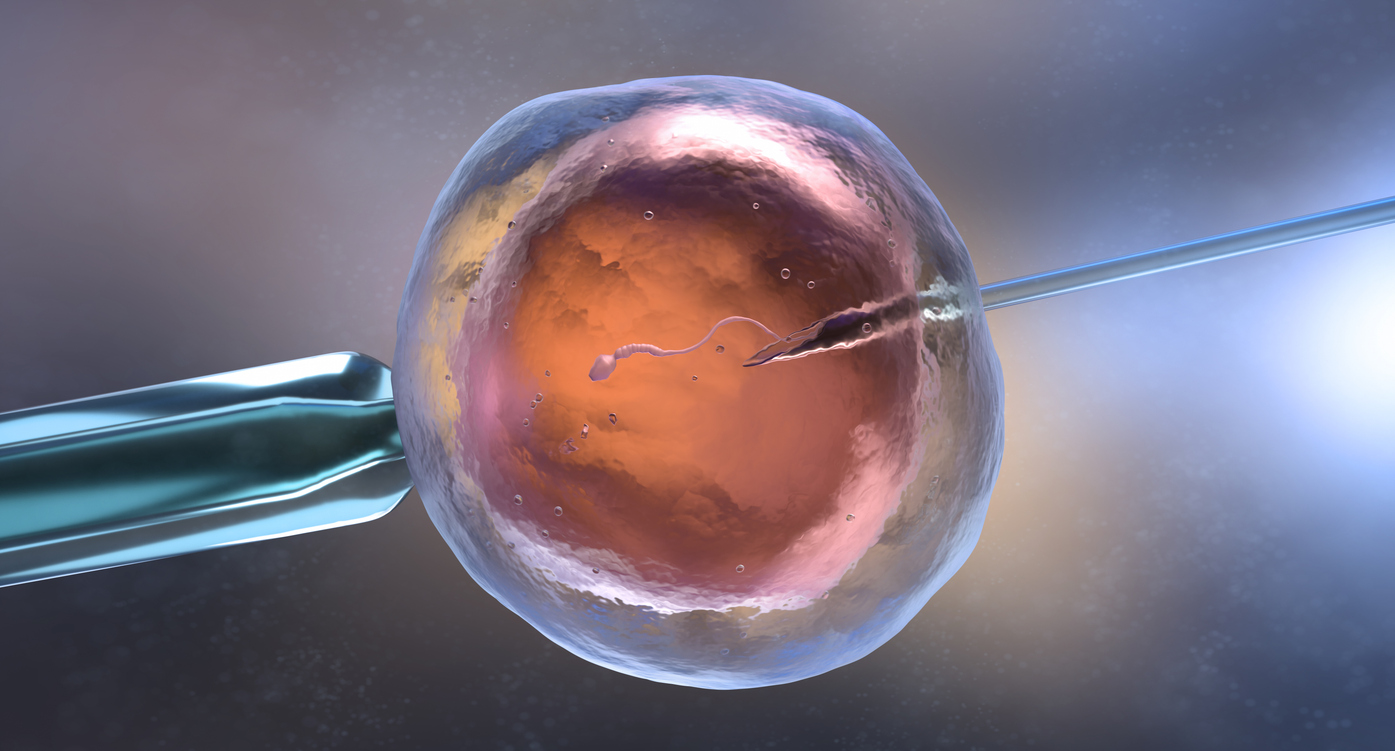
Male factor infertility plays a role in a large share of cases, often estimated at up to half of couples who struggle to conceive. That’s why a semen analysis is a standard part of the workup. IVF with intracytoplasmic sperm injection (ICSI), where a single sperm is placed directly into each mature egg, can overcome many sperm-related challenges.
Strict Bed Rest After Transfer Improves Your Chances
Many patients worry that moving around after an embryo transfer could hurt their chances. Research hasn’t shown that bed rest improves outcomes, and light, normal activity is generally fine. Your care team will give you specific instructions, and if a cycle doesn’t work, it’s very unlikely that anything you did in daily life was the cause.
How ACRM Personalizes Your IVF Treatment
Two people can both be “doing IVF” and have very different experiences, because good care meets you where you are. At ACRM, personalization shows up at every stage.
A Plan Built on Your Evaluation
Your treatment begins with a full picture of your fertility and your partner’s. If you have one. Your history, test results, timeline, and family-building goals all shape the recommendations we make.
Protocols That Adjust as You Go
During ovarian stimulation, which usually lasts about 8 to 14 days, you’ll come in for frequent monitoring so we can track your response and adjust your medications as needed. Choices about ICSI, genetic testing, and freezing embryos are made with you, based on what fits your situation.
Support Beyond the Medical Steps
IVF is emotional, and it can be financially stressful too. Our team helps with benefit verification and offers financing options, and we’re always glad to answer questions between appointments. Most cycles take about six to eight weeks from consultation to embryo transfer, and you’ll know what to expect at each step.
It’s Time to Move Forward With Clarity & Hope
Myths about IVF tend to swing between two extremes: that it’s a guaranteed fix, or that it’s a last resort reserved for a narrow group of people. The real picture sits somewhere in between. IVF is a powerful, flexible treatment that helps people of many ages and backgrounds, and it works best when it’s part of a plan built around your body, your diagnosis, and your goals.
ACRM is Ready When You Are
If you have questions, or you’re simply ready to learn what your options look like, we’d love to talk with you. Our team at ACRM sees patients in Homewood and Montgomery, and you can reach us at (205) 307-0484 or book a consultation online. Wherever you are in your journey, you don’t have to figure it out alone.